
A tight feeling after cleansing, roughness, a dull complexion and make-up that “won’t stay put” — patients most often describe these symptoms in two words: dry skin. In the clinic, however, it often turns out that the problem is not a lack of lipids but a lack of water. And that changes the whole skincare and treatment plan.
Dry skin — lacking oil
Dry skin is a skin type. The sebaceous glands produce less sebum, so the epidermal barrier is weaker and the skin flakes more easily and reacts with irritation. This condition usually lasts a lifetime and becomes more pronounced with age.
Dehydrated skin — lacking water
Dehydration is a temporary condition that can affect any skin type — including oily skin. The skin loses water faster than it can retain it. Typical signs are fine, “crêpey” lines visible when smiling, a greyish complexion and sensitivity despite shine in the T-zone.
- heating and air conditioning, low air humidity,
- overly aggressive cleansing and peels,
- stress, lack of sleep, drinking too little water,
- the natural decline in hyaluronic acid production with age.
What really helps
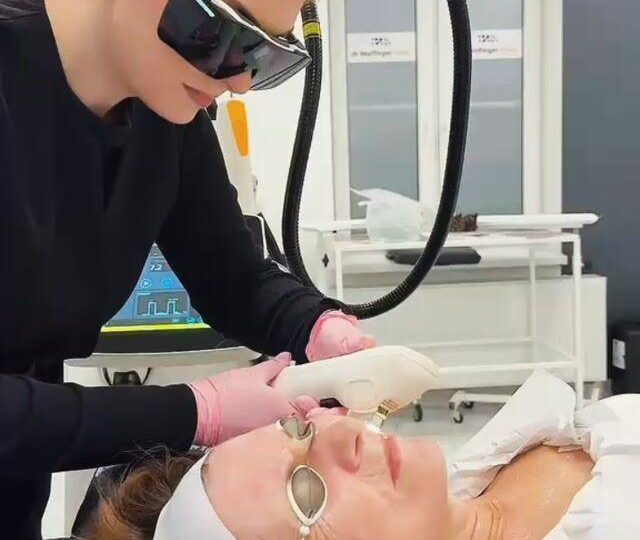
With dry skin, the key is rebuilding the barrier — ceramides, emollients, gentle cleansing. With dehydration, water and substances that bind it need to be delivered deep into the skin. Creams work mainly on the surface, so when dehydration is marked, treatments that deliver active ingredients beneath the epidermis work well, e.g. MiraJet needle-free regeneration.
Most important, however, is the right starting point. During the consultation we assess the condition of the barrier, hydration and skin quality, and only then choose a plan — read more in the Skin regeneration and hydration section.